late July- mid-August 2019
A long post due to poor internet in NS as well as casual attitudes on behalf of the posters 🙂
We picked a rather remote coastal area in Nova Scotia as our first stop. We did know that there was a music festival happening here this weekend, but how big could it be, way up here? Pretty big- supposedly 10,000 people attend the three day StanFest. And this town has one way in (and out), one small grocery store, one gas station, 2 restaurants, 2 campgrounds and 2 small hotels. They have a temporary campground on site to contain most of the concert goers.
We did not attend even though it looked interesting- big crowds, expensive tickets, and warm weather encouraged us to do other things like- visit Grassy Island – an early New England fishing settlement of the 1730s.
The Park Service provides a boat tour around and through the Canso Islands and then drops you off on the island to do the self-guided tour of cellar holes and old garrison- no buildings are left, but the story is enough to let you “see” the what life was like here.
Port Bickerton lighthouse is about 2 hours south of here and a small ferry- everything is far apart here, as there is very little here- tiny villages, extreme poverty, and tourist attractions that are few and far between.
The Lighthouse was a true hidden gem- we spoke to the teenage male guide and adult volunteer for quite a long time about the history and the local community. The rocks and surf here were beautiful; we hiked along the shore. We were the only visitors there…
Down to the Halifax area- campground on the ocean with lovely views, however not well managed and poor facilities- may be time to get back out in the boonies for us 🙂 We spent a day in Lunenburg- home of the famous Bluenose fishing schooner- that challenged my hometown of Gloucester to races back in the 1920s and 30s, and now continues dory races each summer in both cities. My grandfather long-line dory fished from schooners on the Georges and Grand Banks during the late 1800s and early 1900s.
The Citadel is an awesome fort in Halifax- well preserved and historically significant as it protected the Brits and then Canadians from attack, as well as taking the French Fortress Louisburg in Cape Breton, and securing shipping sea lanes.
Peggys Cove, supposedly the most photographed lighthouse in the world, so we just had to play tourist and visit as it was just 5 km down the road. It is such a busy place that we took the tour guide recommendation to visit before 9am before the tour buses start pulling in!
Church Point- a community in Clare, NS- Clare, of course, loved seeing his name everywhere on signs for everything here! Belle Baie Campground- on the ocean, quiet, not much to do here. Found a Farmers’ Market and a sawmill museum. The Sawmill is the only one still standing from a dozen that were on this little river a hundred years ago. Local folks restored and re-opened the mill as a working mill and on first try the water turbine cranked right up. We chatted with the teenage grandson of a man that worked in this mill many years ago. This is a big scallop area, so Clare got his fill. Fresh fish was abundant and very, very cheap. A visit to Digby was quiet with a walk around a lighthouse- so many of these in NS!
And then a day in Annapolis Royal- the botanical gardens and an Acadian house- more exotic trees that we have ever seen, found a German Bakery, and a visit to a tide power generating plant where we learned how these don’t really work very well.
Five Islands on Minas Basin, which is on Fundy Bay- extreme high tides- the norm is about 35 ft. We are oceanside on a cove that totally drains out almost to the five islands. Another Tide Energy Power Plant- that didn’t work, current was much stronger than they predicted and tore the turbine out…Parrsboro is a nifty small town- a small theater where we saw- Odd Ducks, several restaurants and shops, and a couple of geology, fossil and tide museums.
Note the “foamy” water at the edge of the beach- this is water bubbling up through the pebbly shore as the tide races in. Apparently, because of the extreme tides and the pebbly beach the air that settles between the stones is quickly forced up and out. Quite the phenomenon.



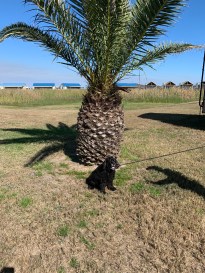



 The campground is at the end of a dead end road, sand with trees, lots of beach, an island and a small town nearby- Port St. Joe that has pickleball, a few good restaurants and a grocery store. We had high hopes for this place and they were met- so we will be back for a month next November!


 here that is over 1100 years old!!
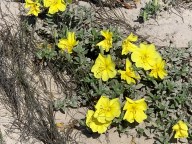 one of our favorite, but off grid places, so just a short stay.






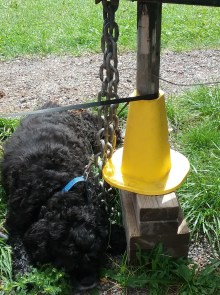 And trial and error with different combinations of medications and supplements all have seemed to do the trick. He still does not like riding in the truck (say what? we are on the road, dog!) and we are working on that. The world looks different through eyes that aren’t always sleep deprived!


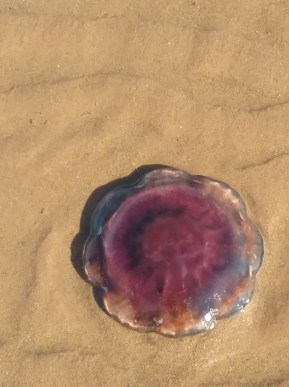 That was a surprise! All my years of swimming in the ocean and I had never run into a jellyfish. It left red stings and stripes around my wrist for about 2 hours and then slowly receded- phew! I had to be very brave to go back into the ocean the next day…
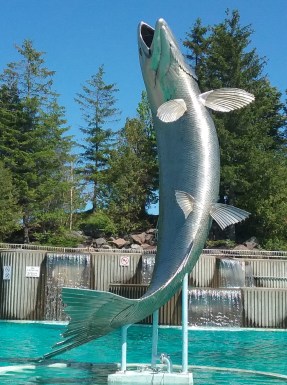
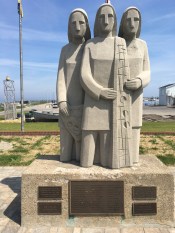 fisherman lost at sea during a Nor’easter in 1959-


 Our Home Is Here...Today...